Dolphins
Dolphins
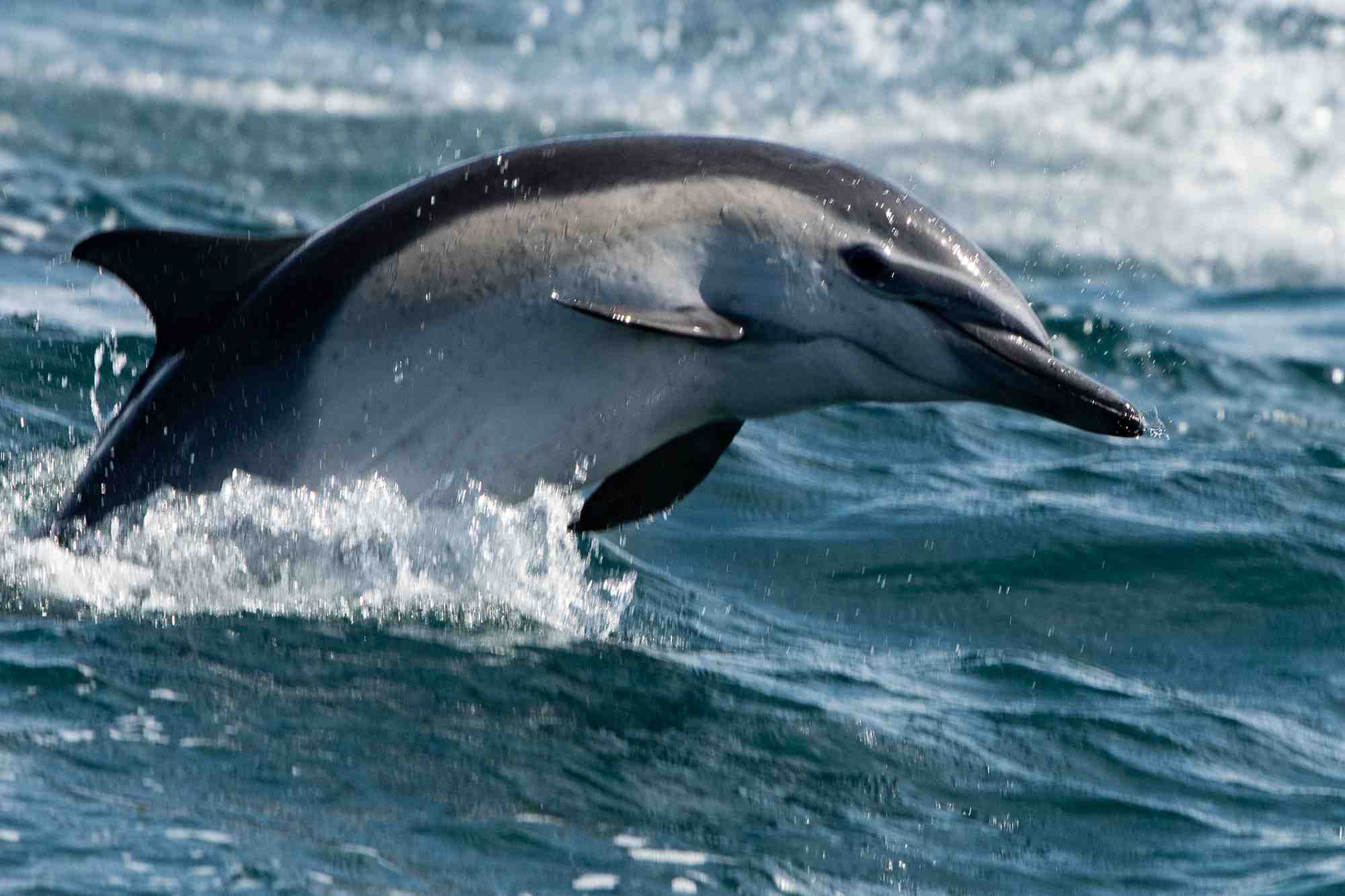
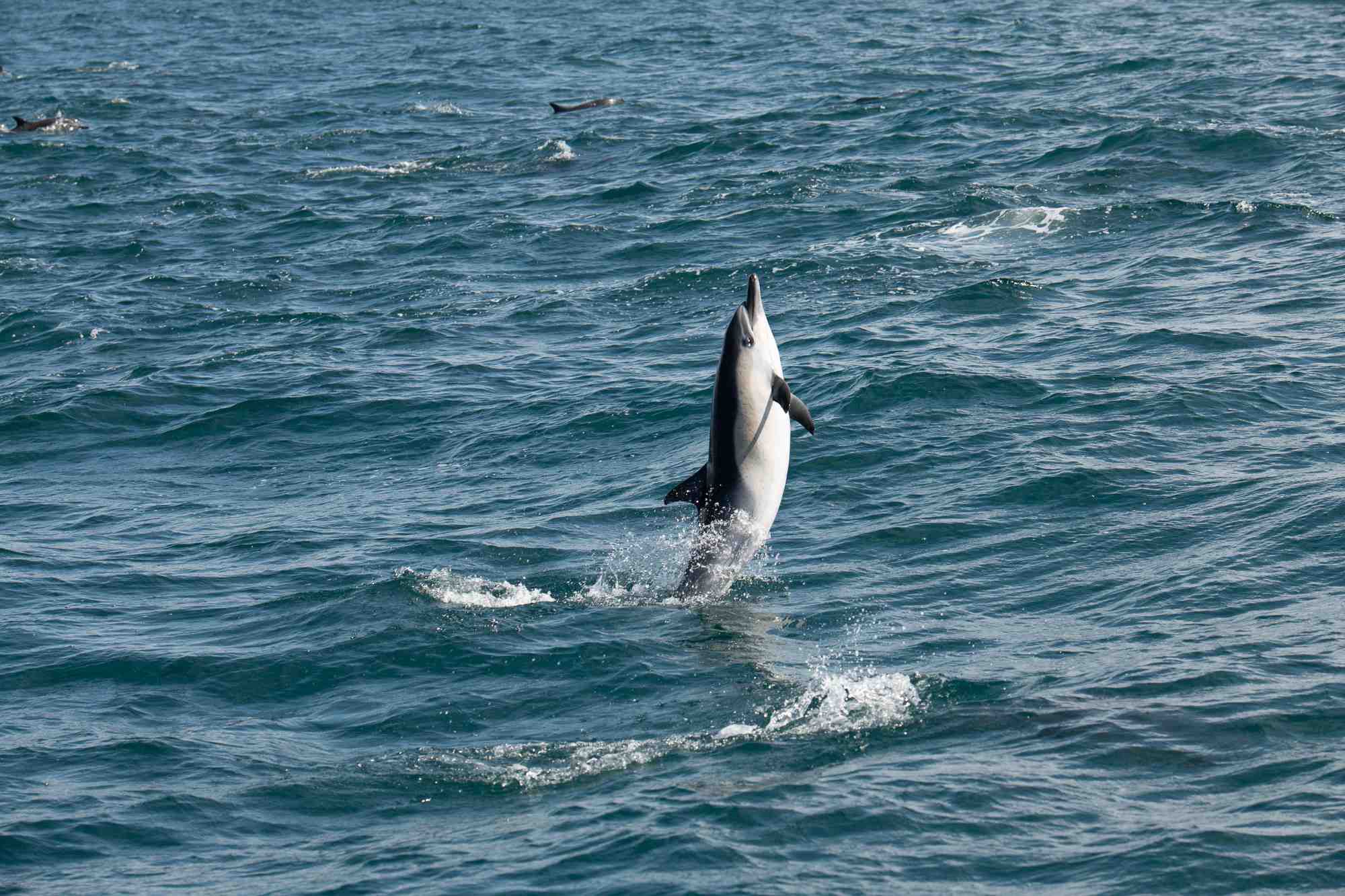
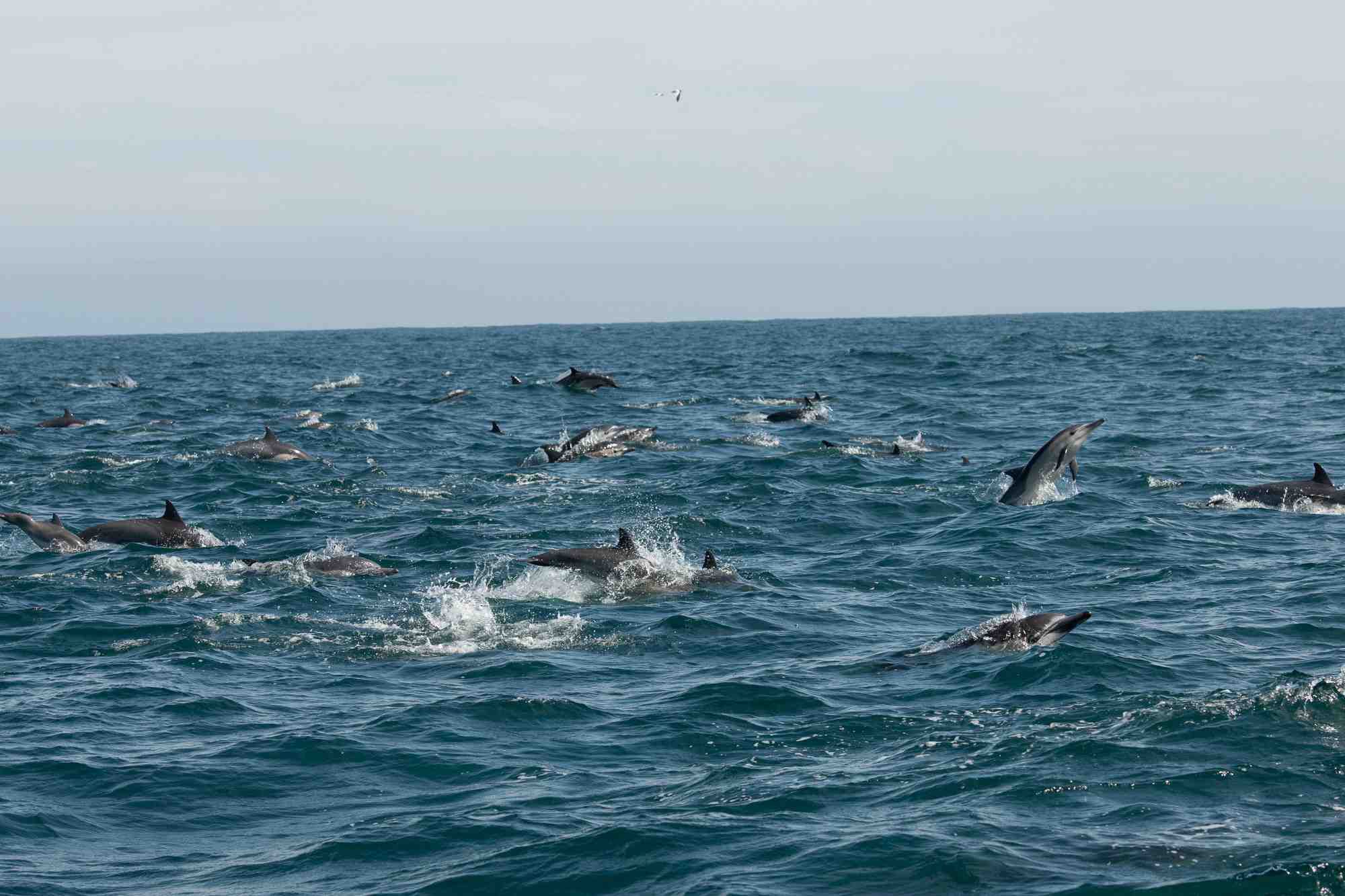
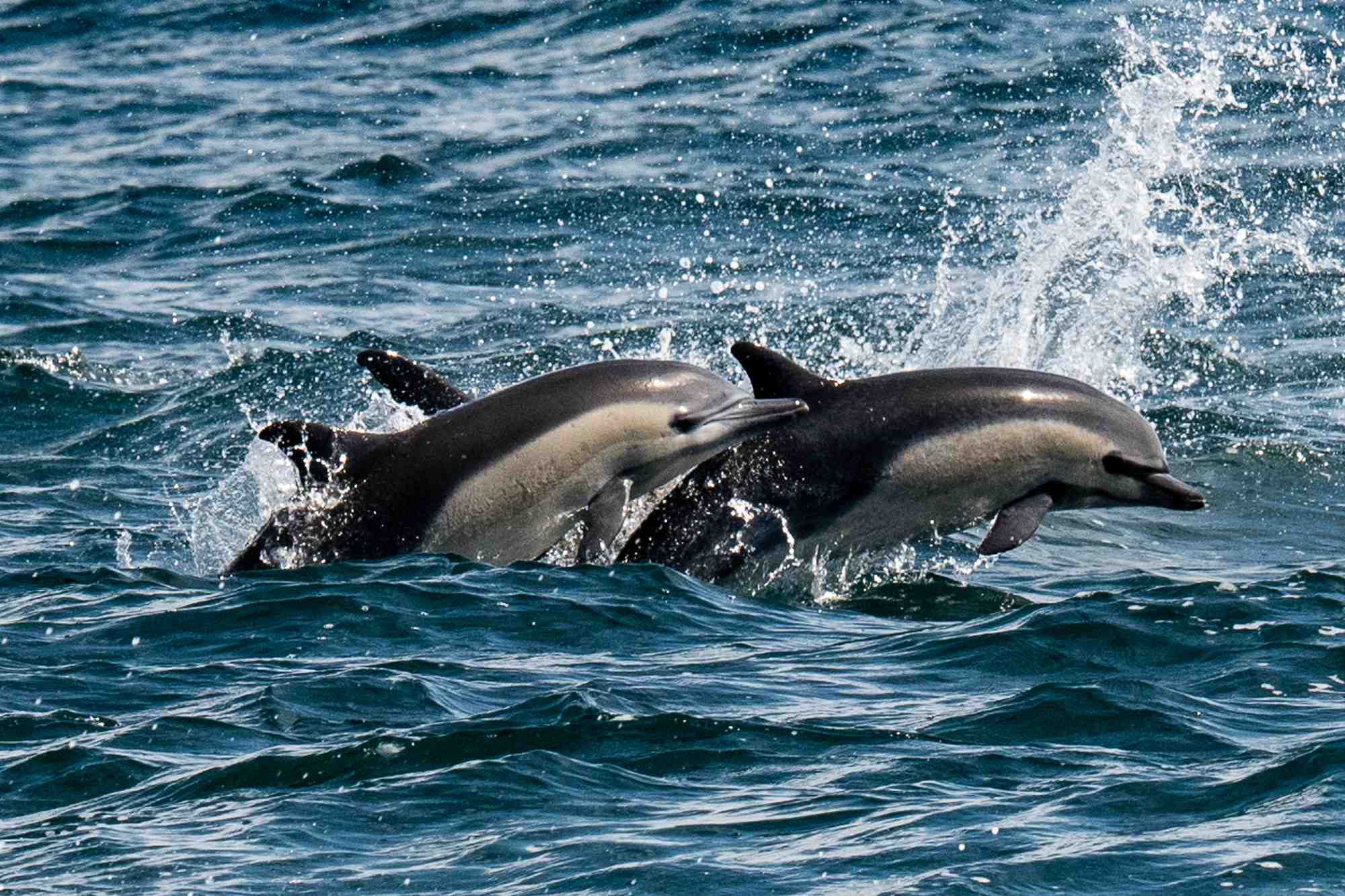
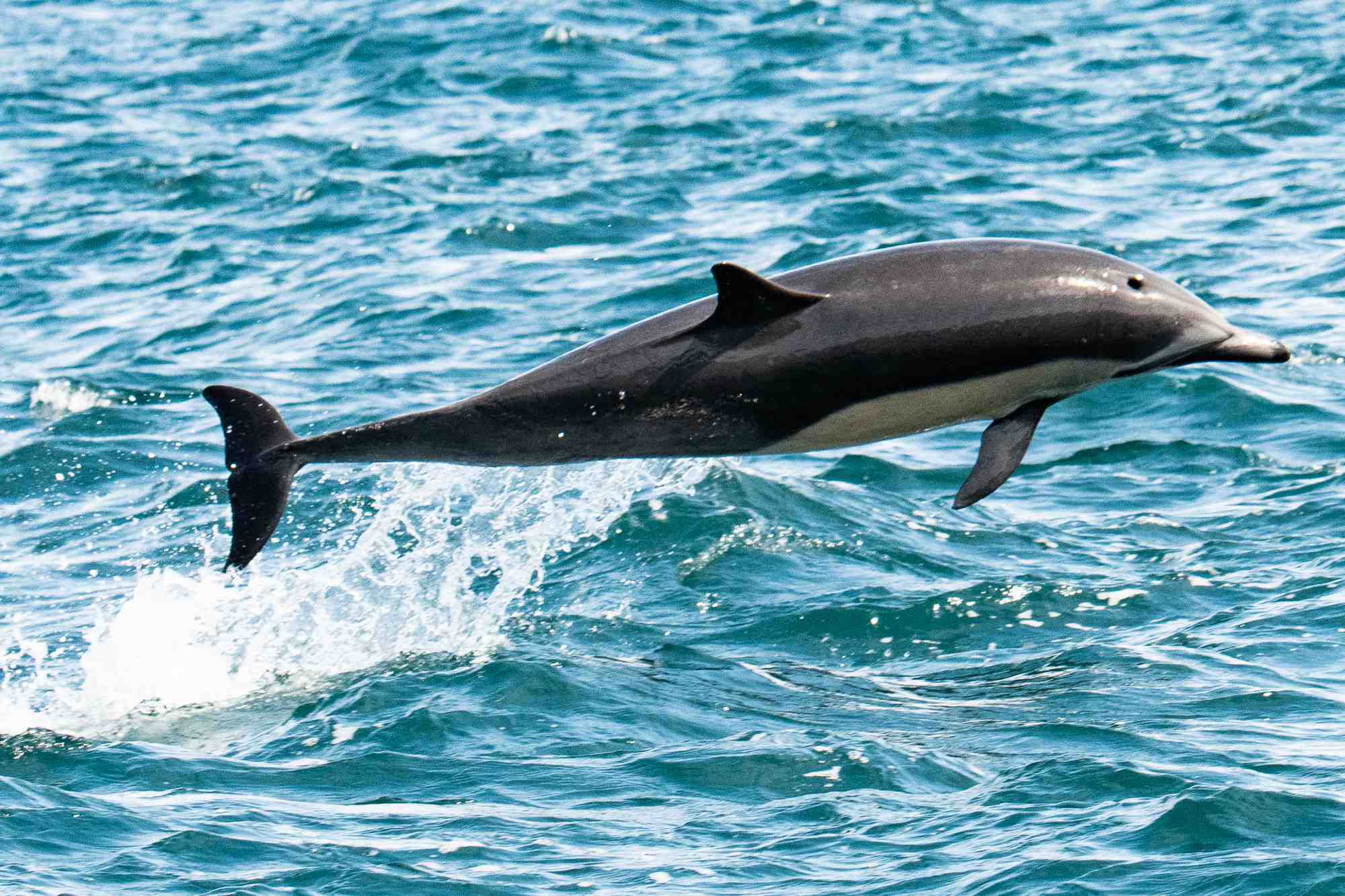
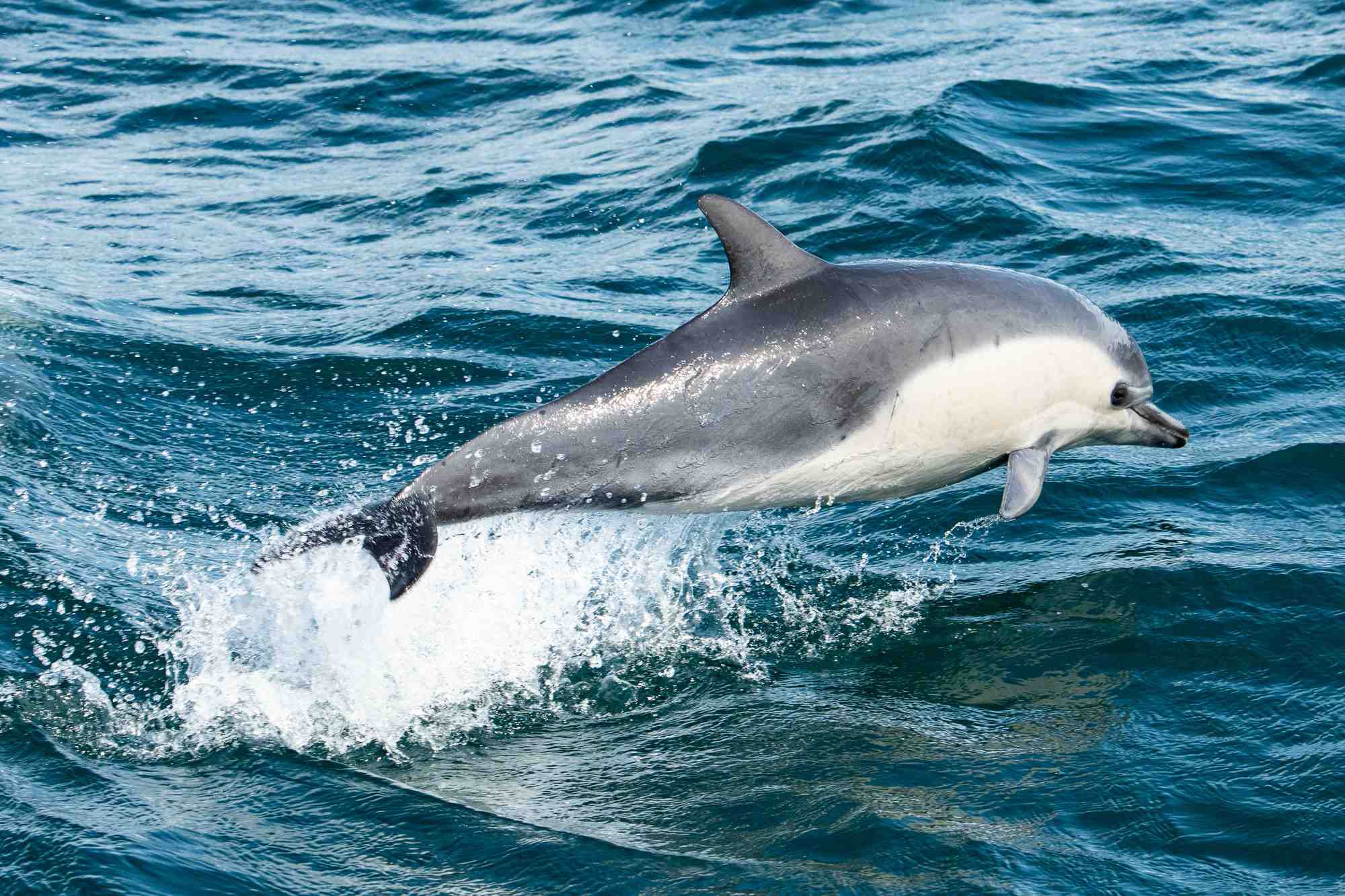
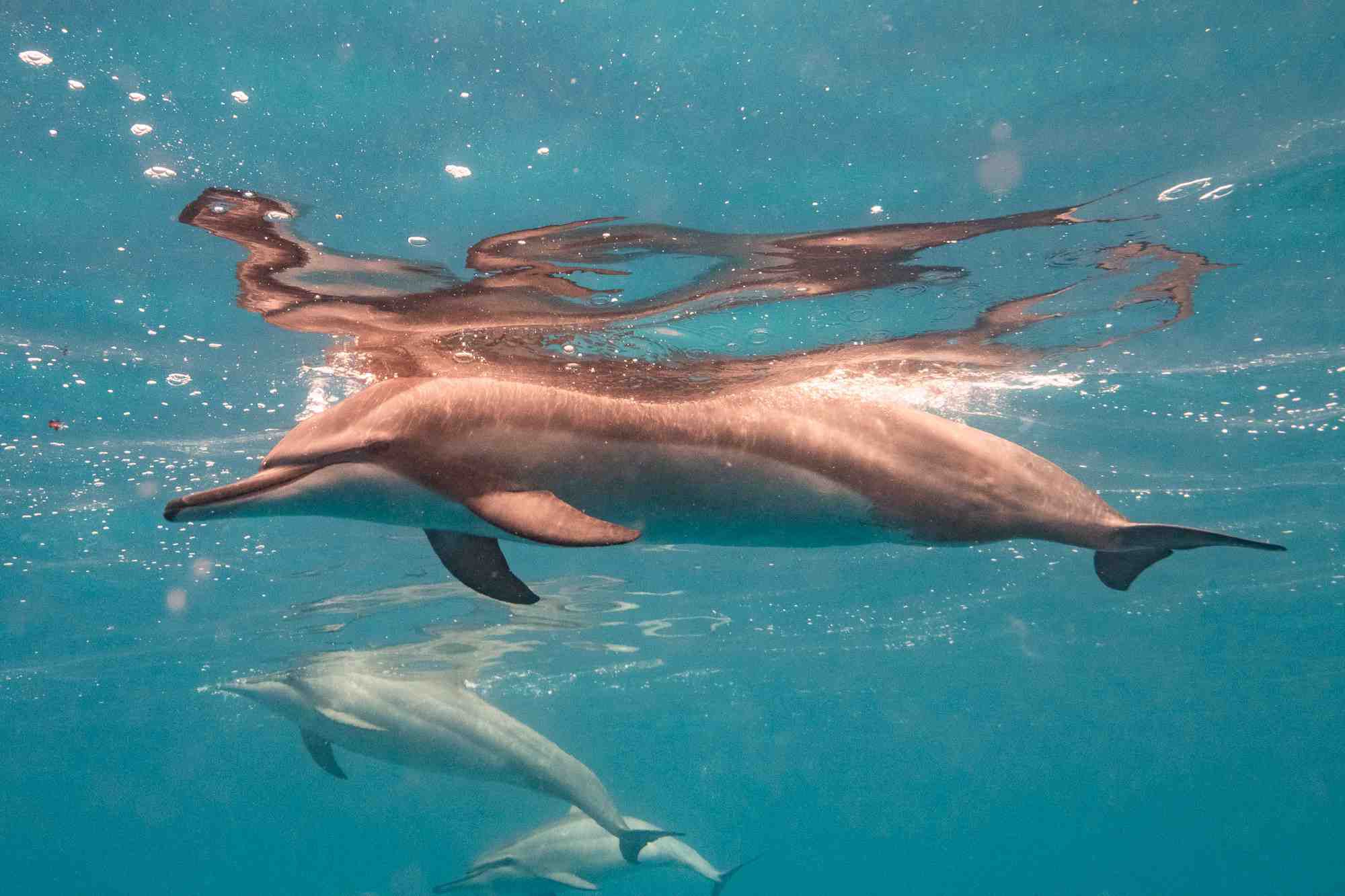
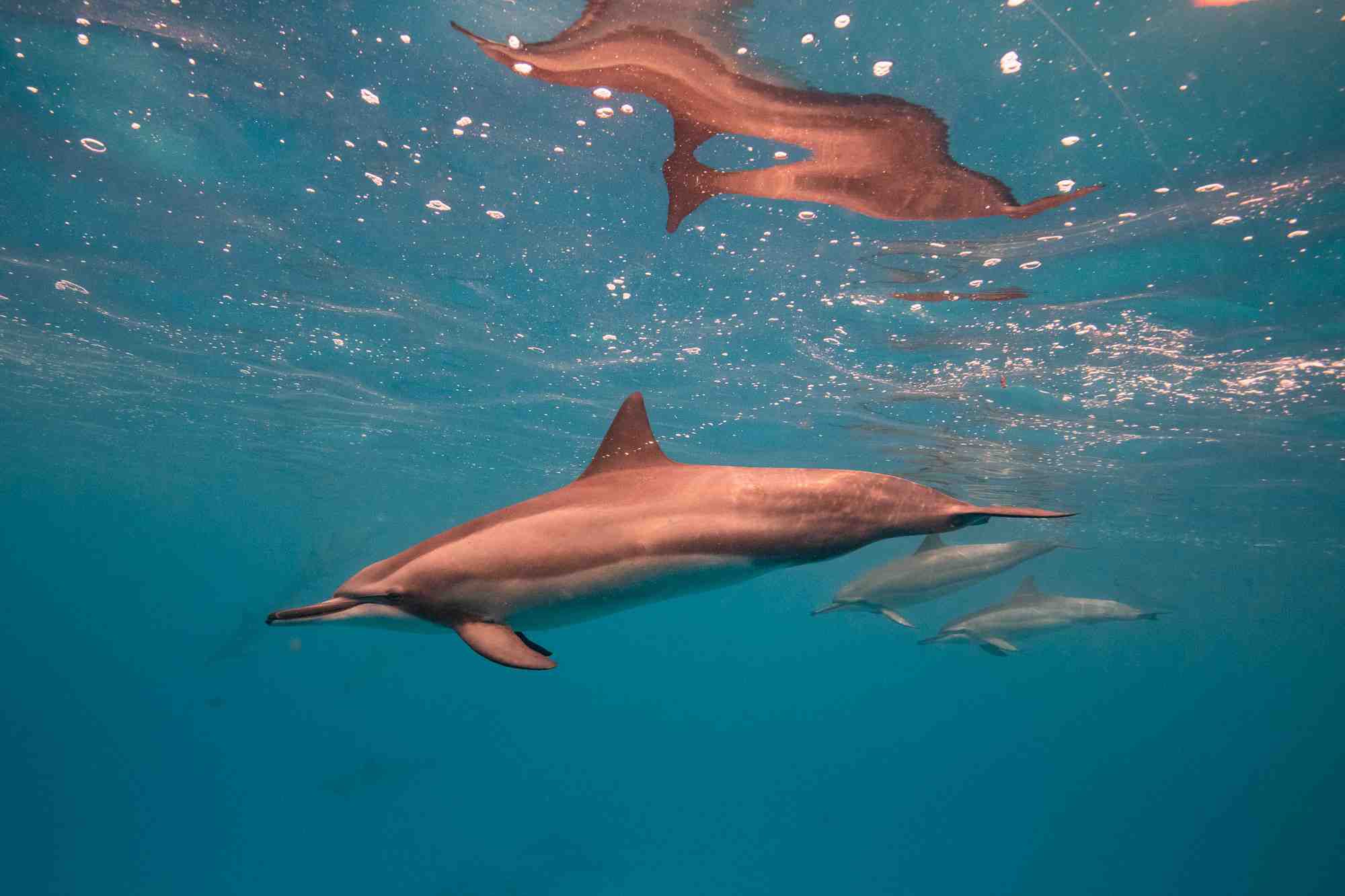
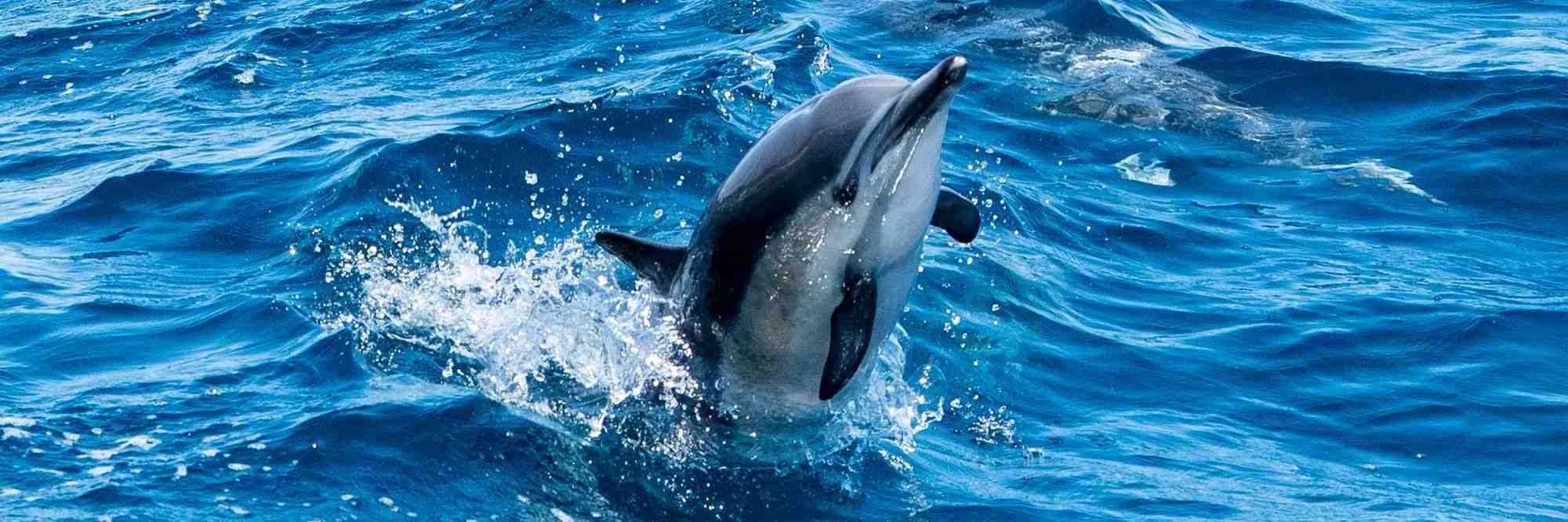
Dolphins and porpoises delight us with their playful antics and warm our hearts with their friendly faces. Marine species are the most well-known, but there are several species that live in freshwater rivers. All are air-breathing, warm-blooded mammals that nurse their young. The difference between a dolphin and a porpoise has to do with their appearance: dolphins have longer snouts, bigger mouths, more curved dorsal fins, and longer, leaner bodies than porpoises.
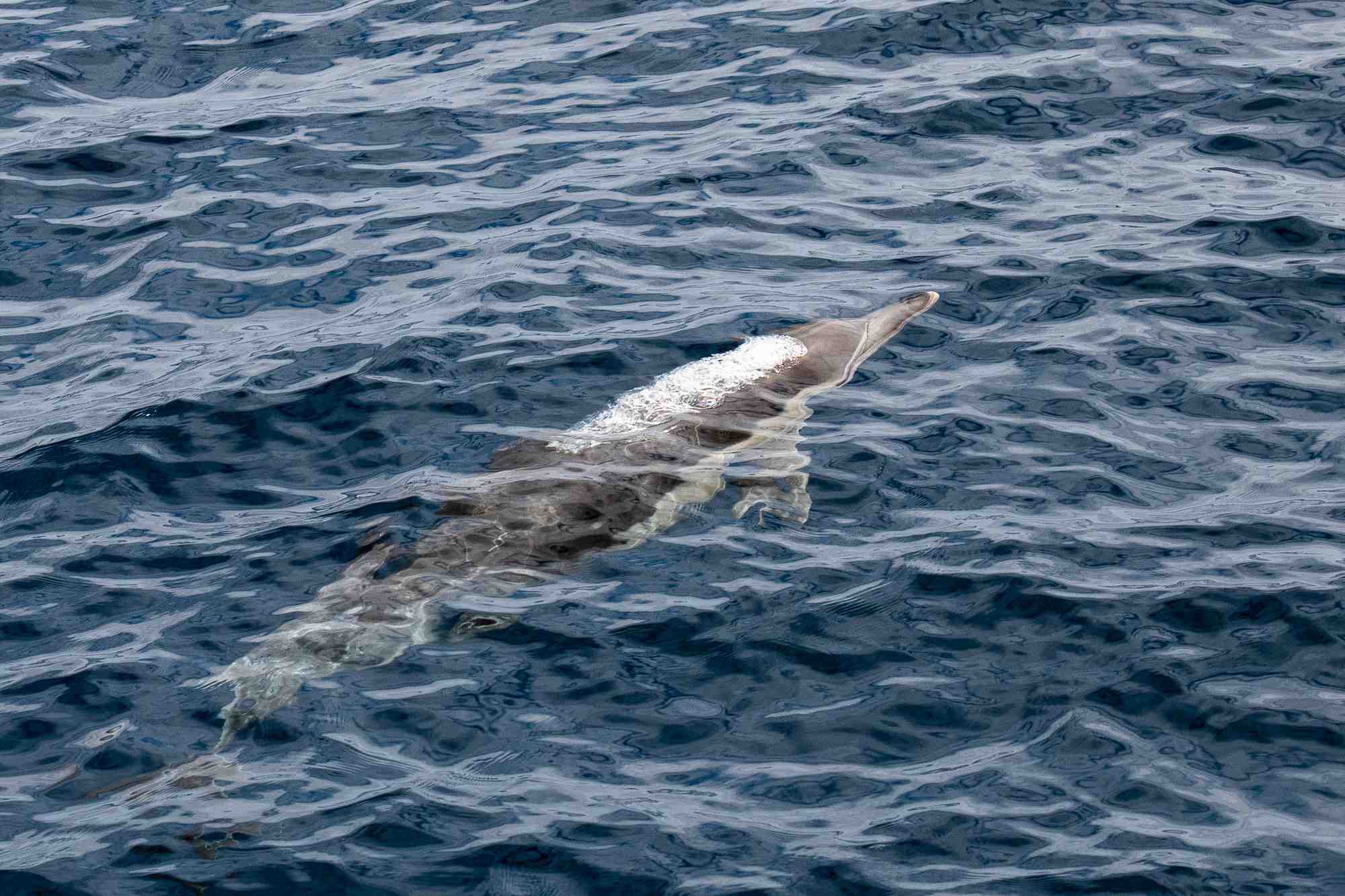
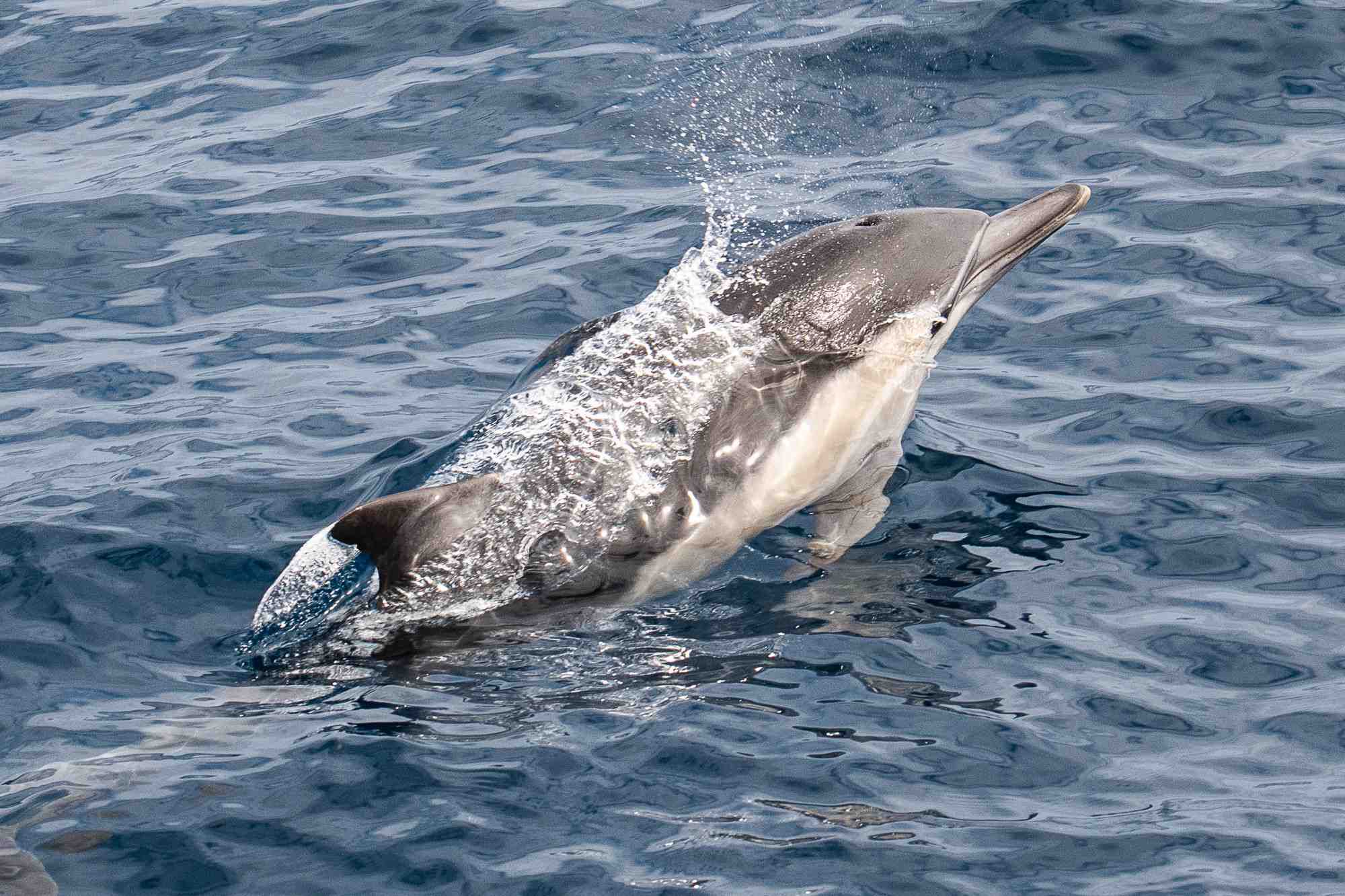
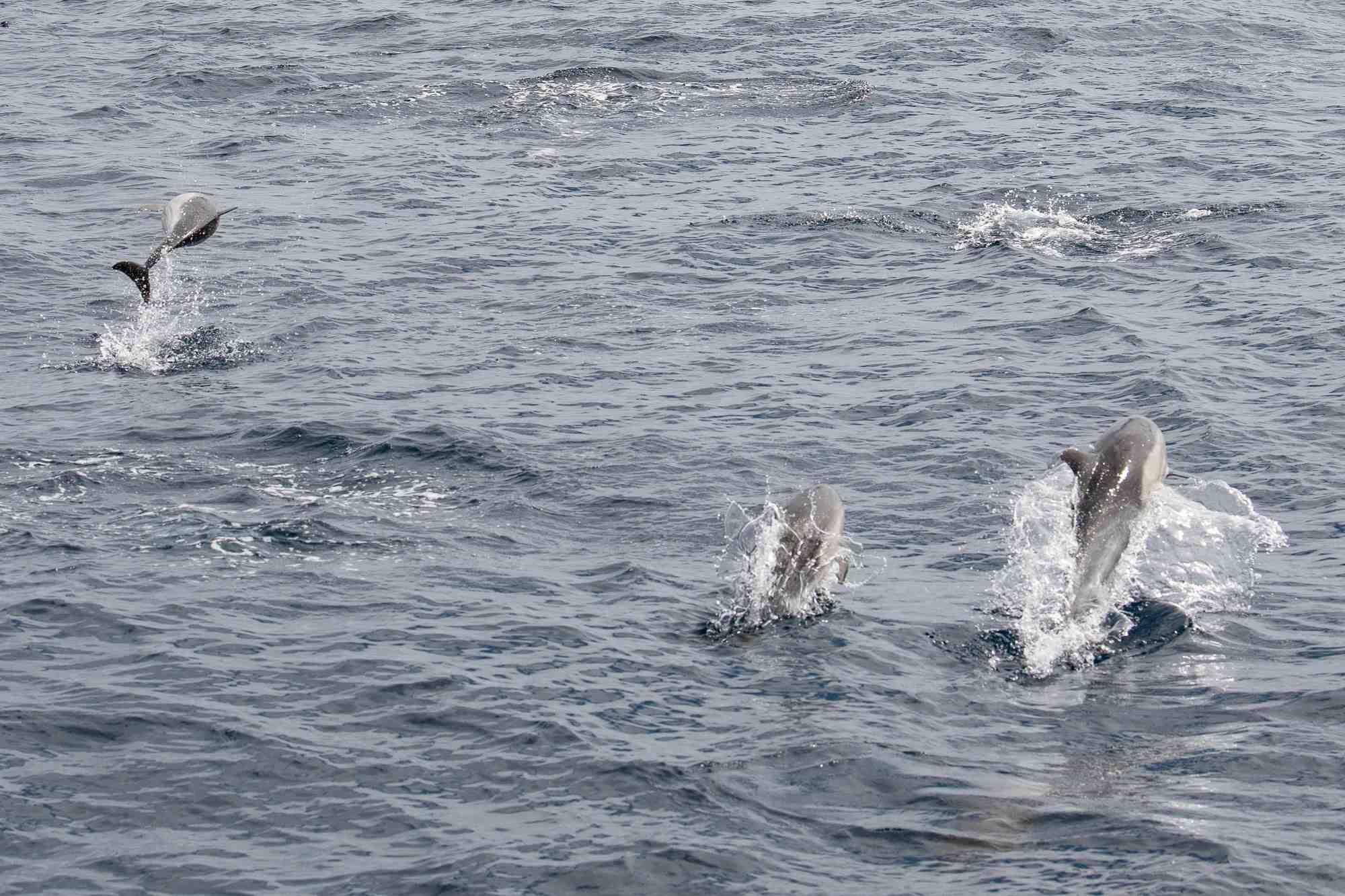
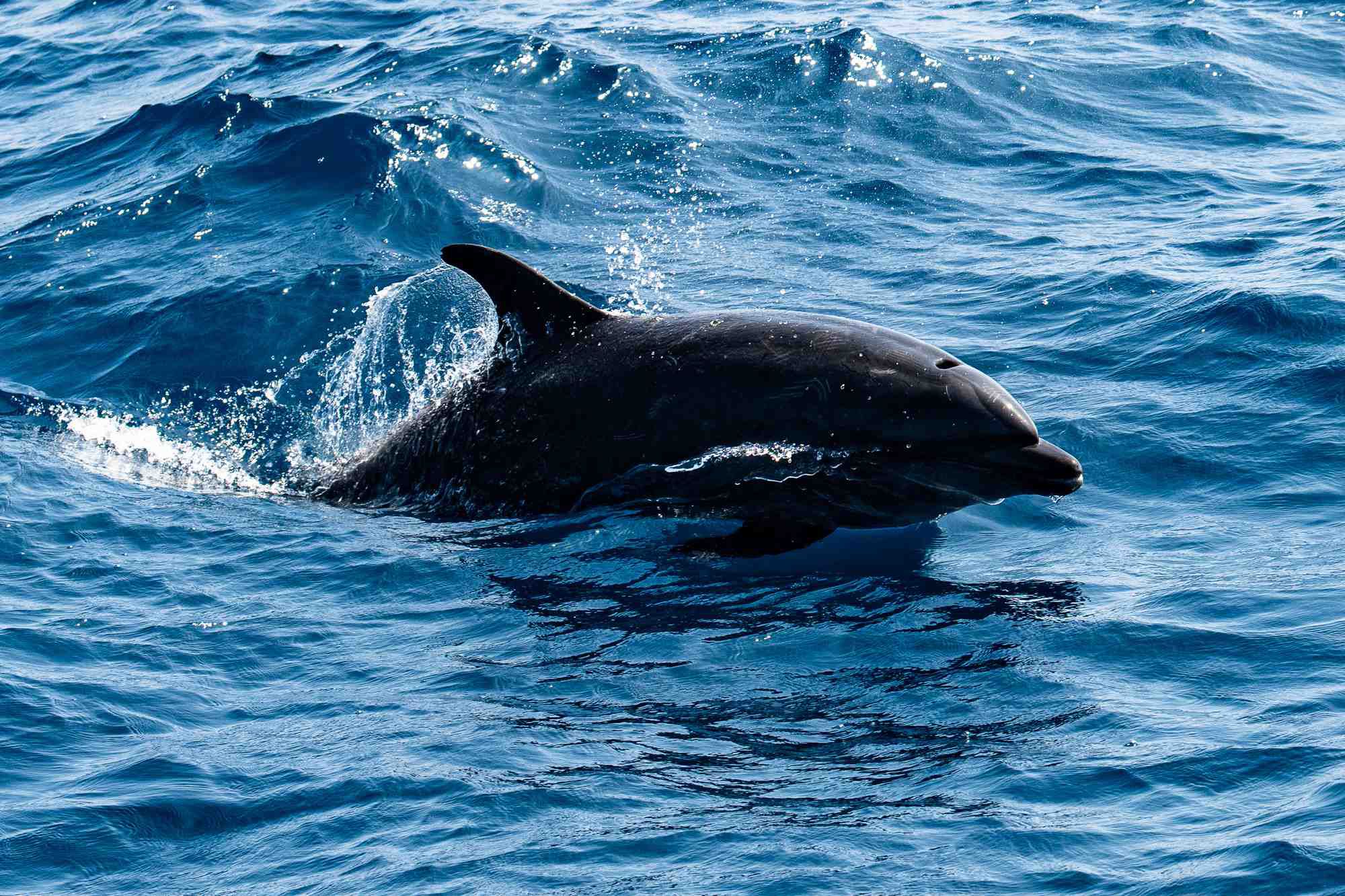
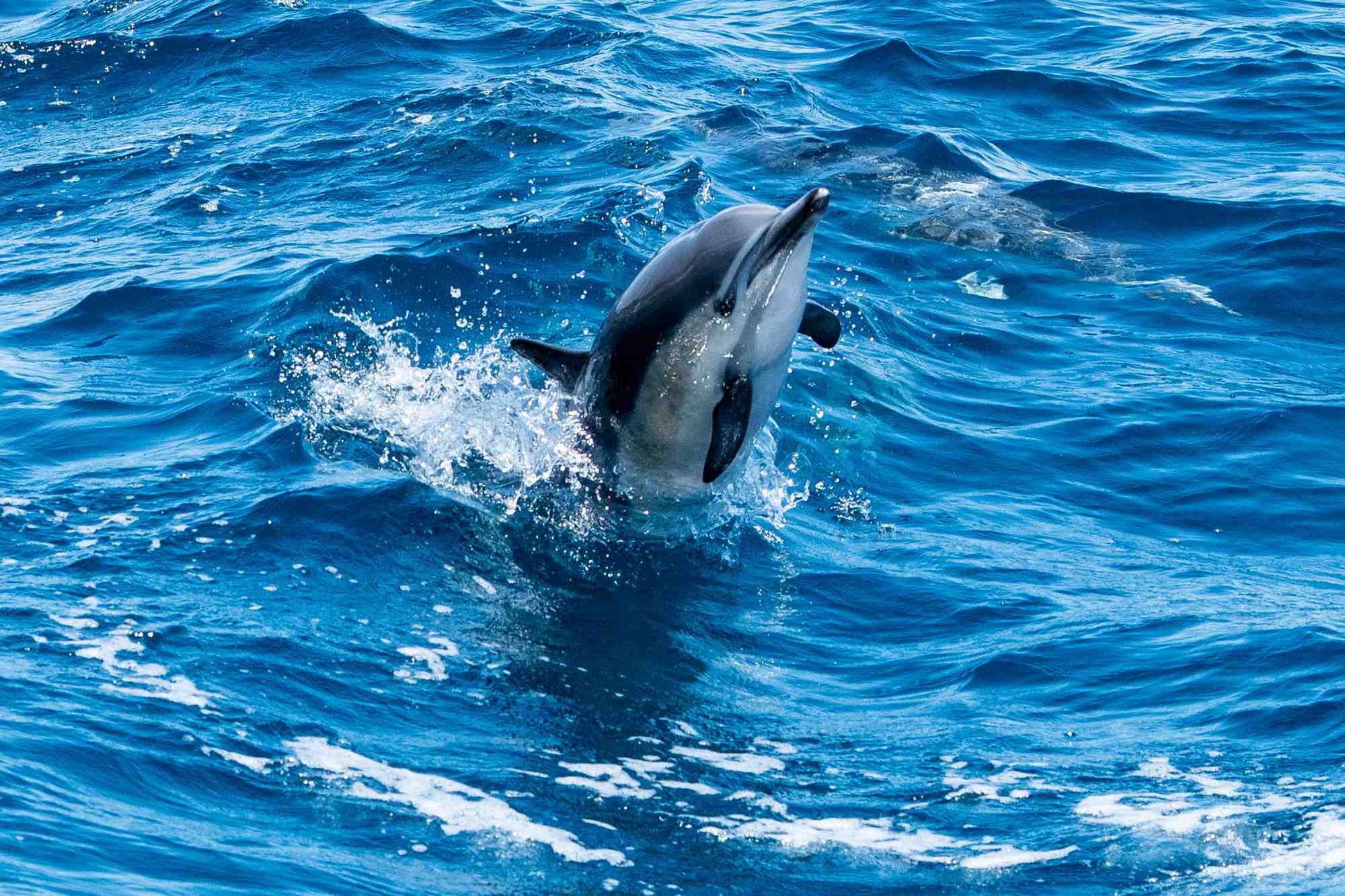
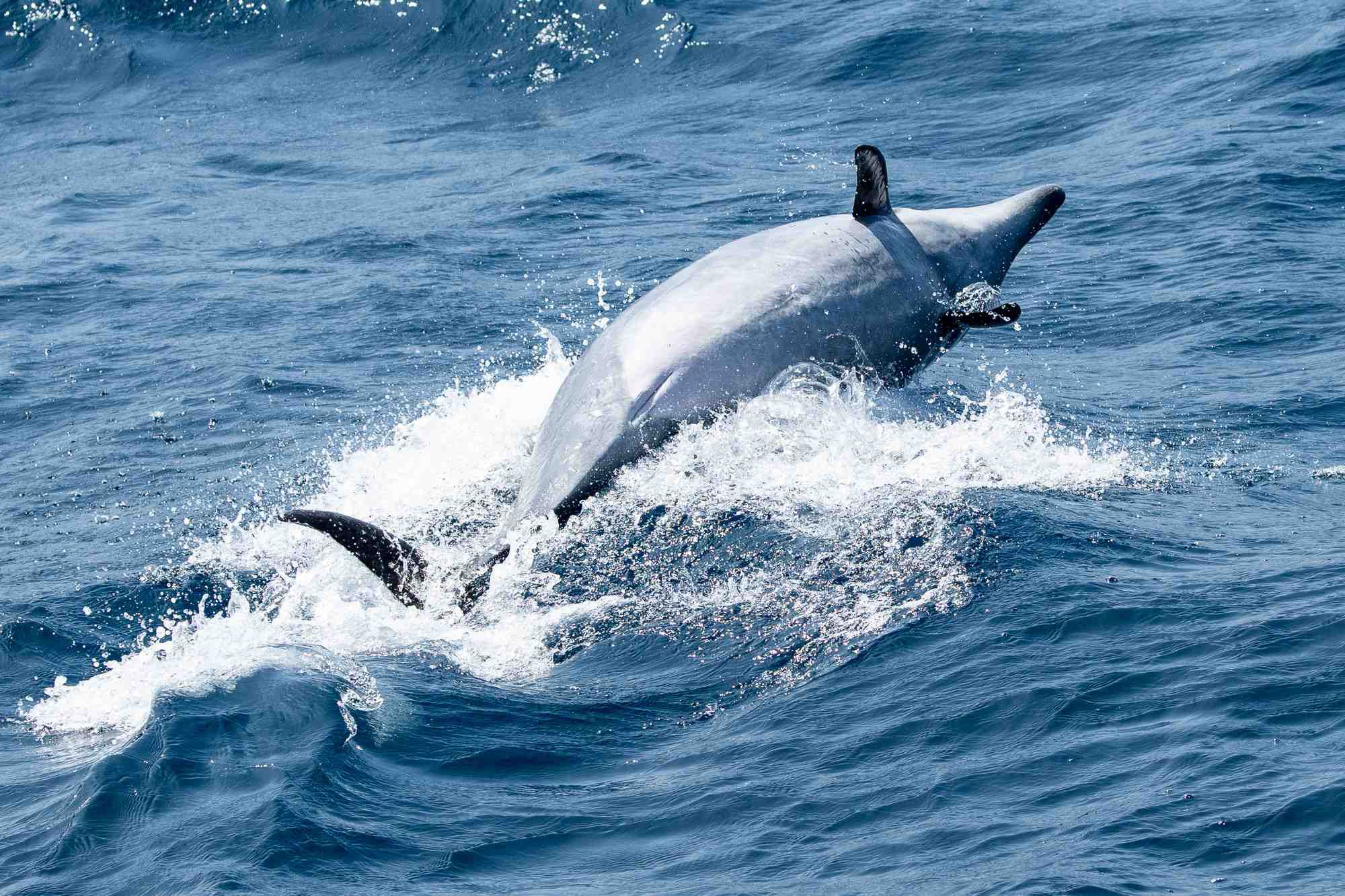
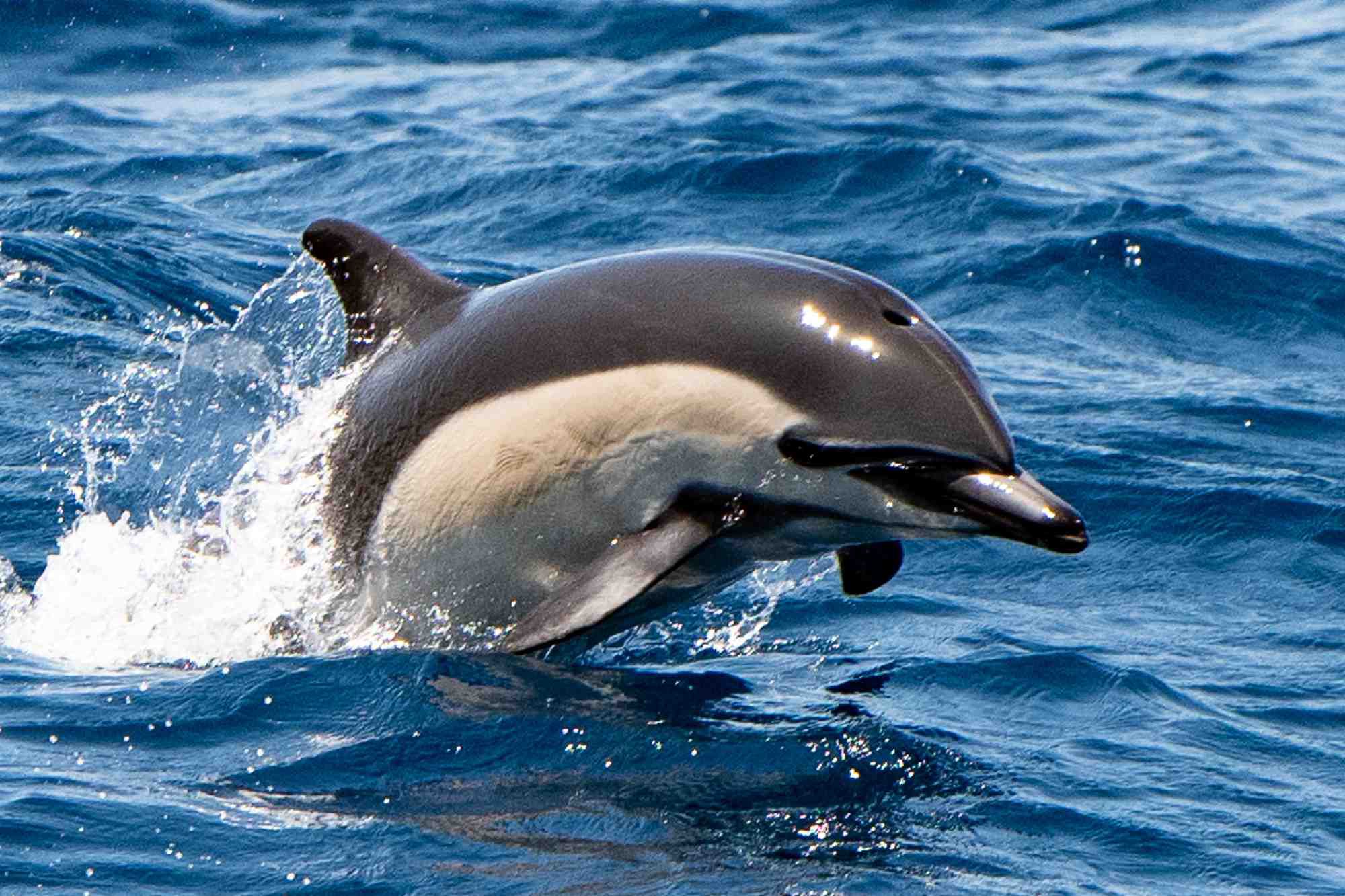
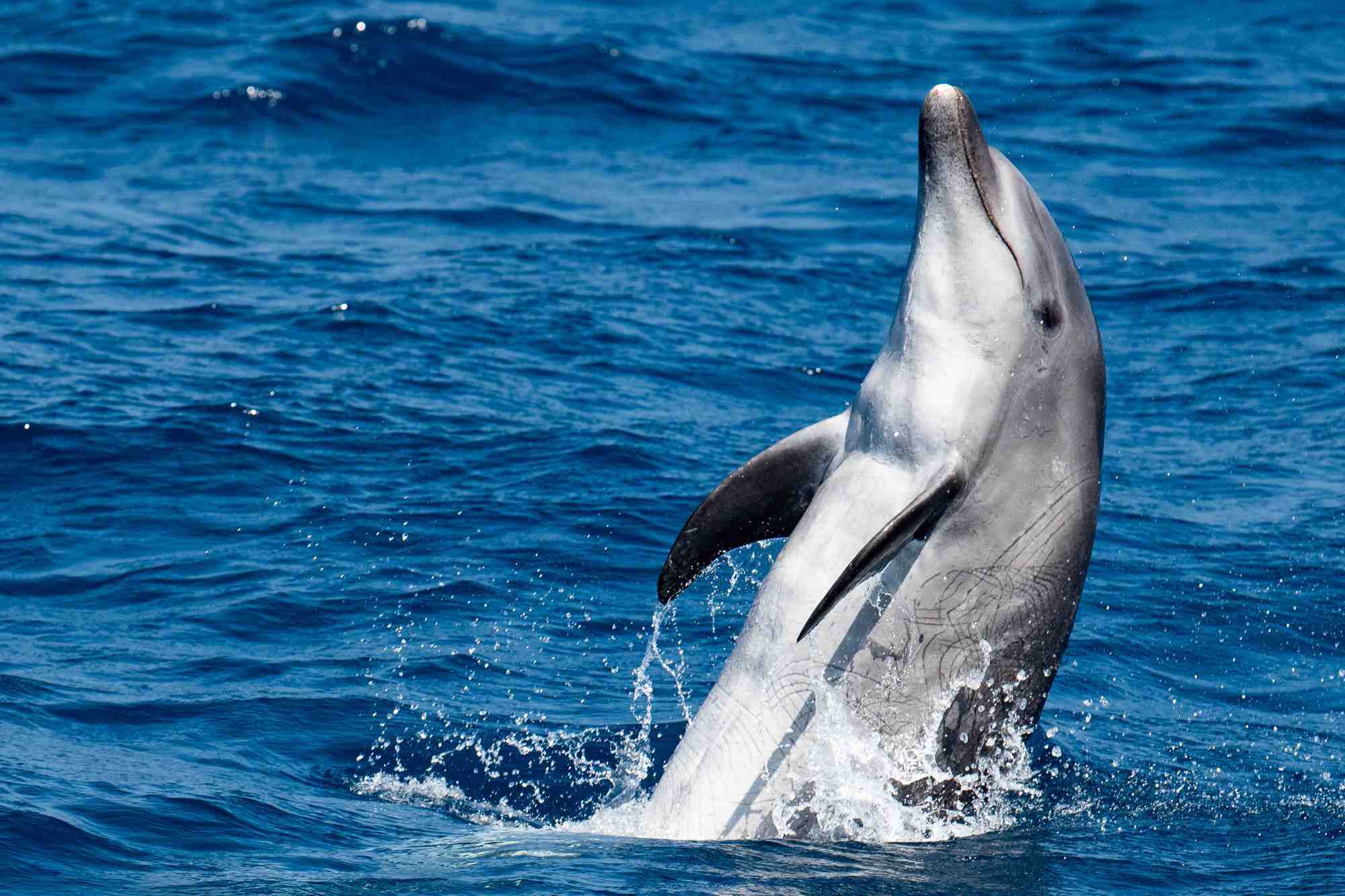
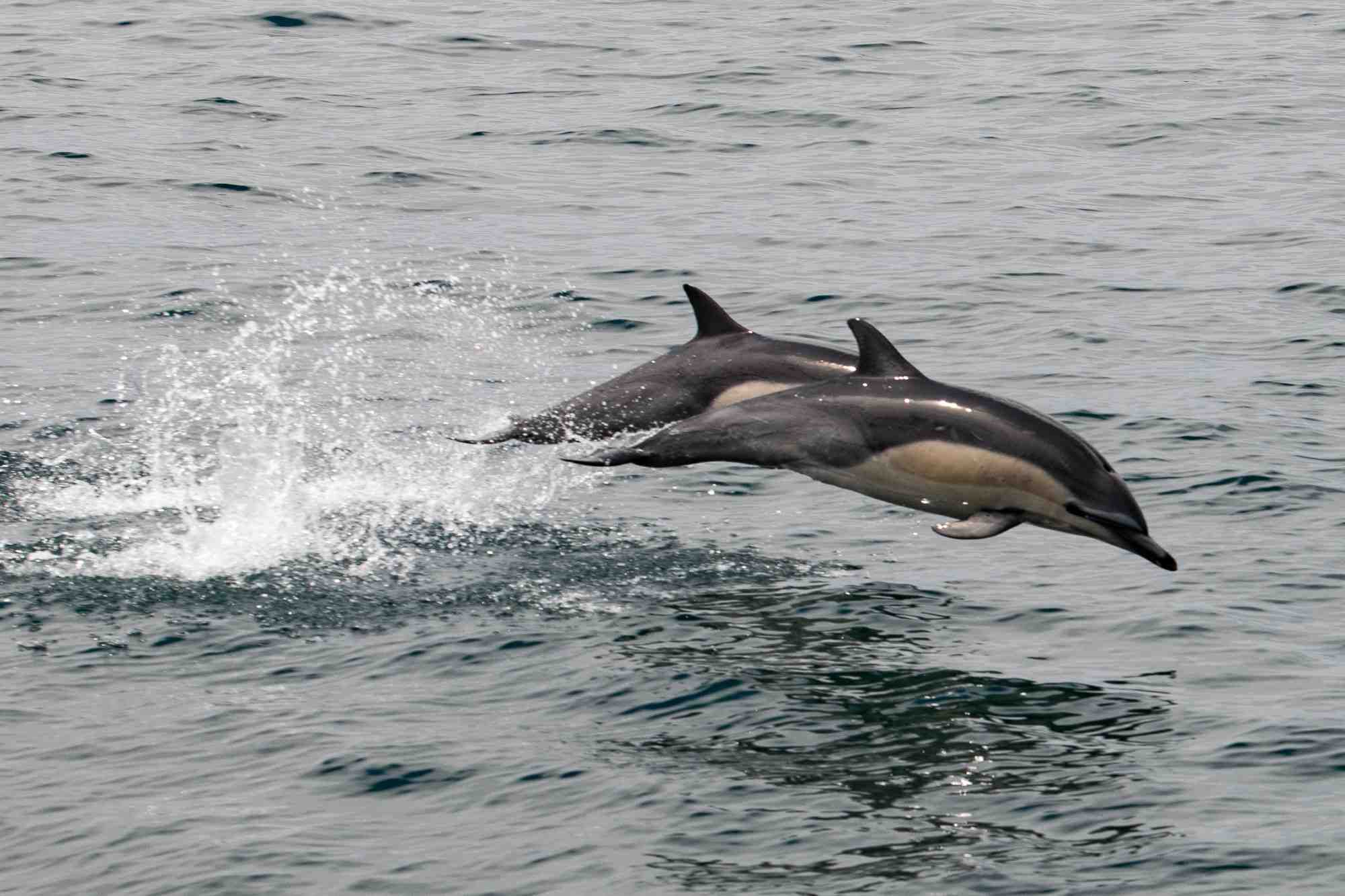
Dolphins and porpoises are at the top of the food chain and have an important role in the overall balance of the marine environment. They can tell us a lot about the health of the ocean, such as the presence of pollution or the decline in fish. They are also very popular with tourists.
Indus river dolphin numbers have increased dramatically over the past 16 years, thanks largely to successful community-based conservation efforts.
A new WWF survey says there are now an estimated 1,816 Indus river dolphins in Pakistan—almost 50% more than the 1,200 dolphins estimated during the first comprehensive census in 2001 when the species appeared to be on the brink of extinction.